
the Market Gardener Institute
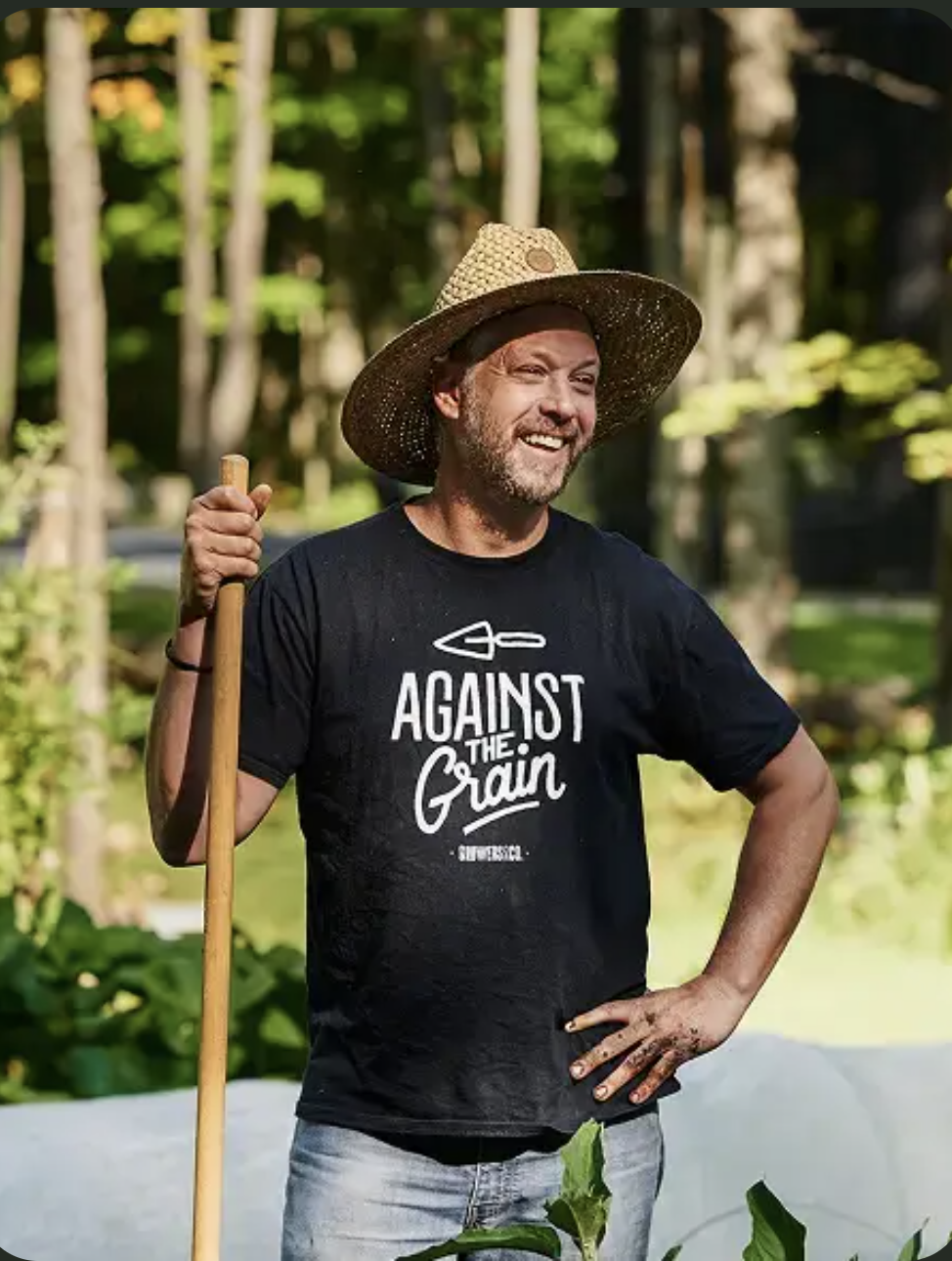
Founded by Jean-Martin “JM” Fortier
With over 20 years of experience, JM has dedicated his career to developing, testing, and perfecting biointensive growing techniques on microfarms such as Les Jardins de la Grelinette, the Ferme des Quatre Temps, and the Old Mill. As the author of the best-selling book The Market Gardener, which has sold over 200,000 copies, JM’s mission is to promote the critical importance of human-scale organic regenerative agriculture in creating sustainable and resilient food systems. He achieves this goal by sharing his knowledge and expertise with thousands of farmers through the Market Gardener Institute.
“The Market Gardener Institute is about more than farming: it’s about empowering communities, fostering a resilient food system and building an international network of like-minded peers.”
JM Fortier
The Market Gardener Institute Approach
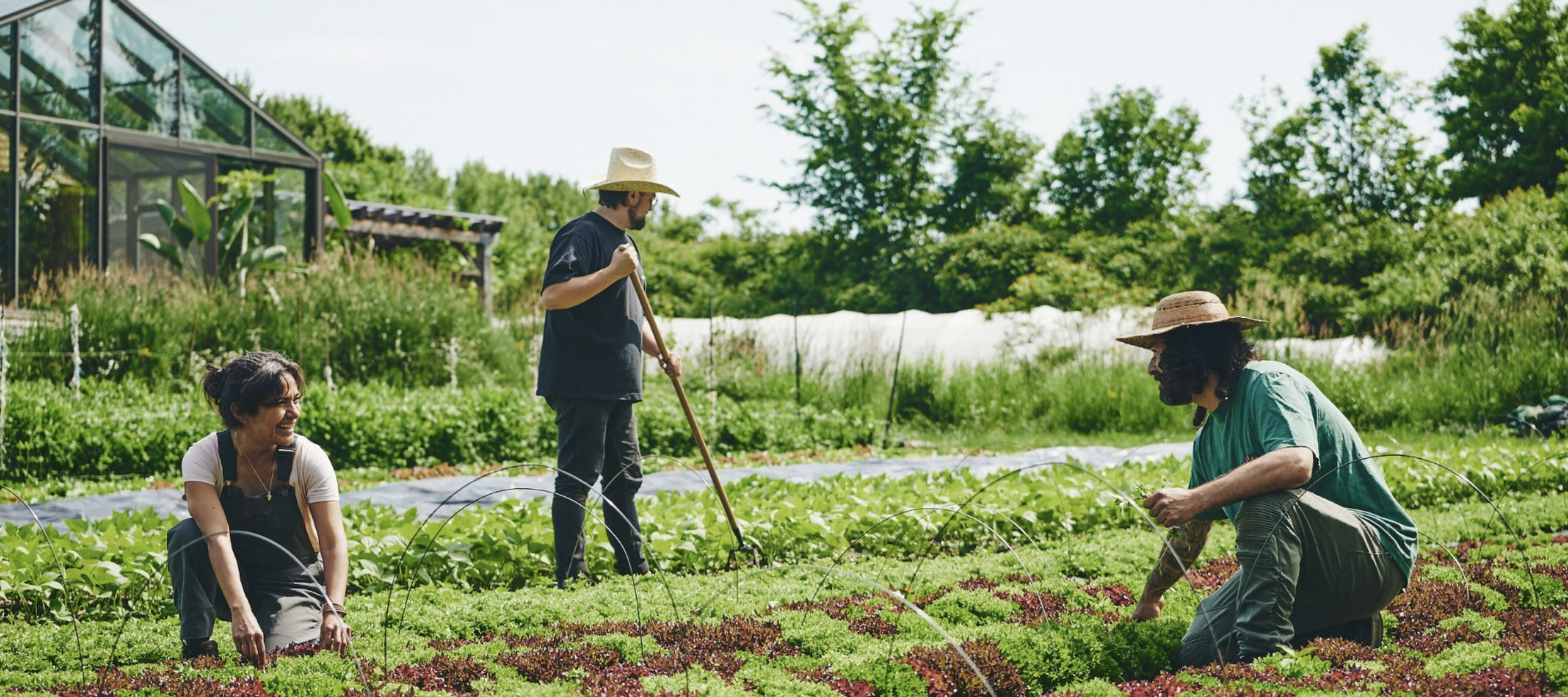
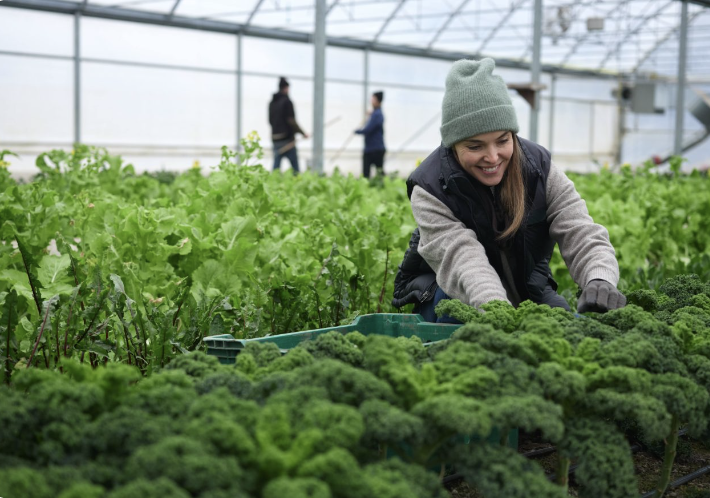
The Market Gardener Institute’s bio-intensive farming method is designed to help independent farmers make a good living by working with living soils and cultivating a small amount of land. It relies a system of permanent raised beds, succession planting, tight spacing between plants and the use of appropriate hand tools. This proven approach produces healthy vegetables, works on a human scale, improves soil quality for sustainable, long-term production, and provides an attractive income on a small piece of farmland.
Step 2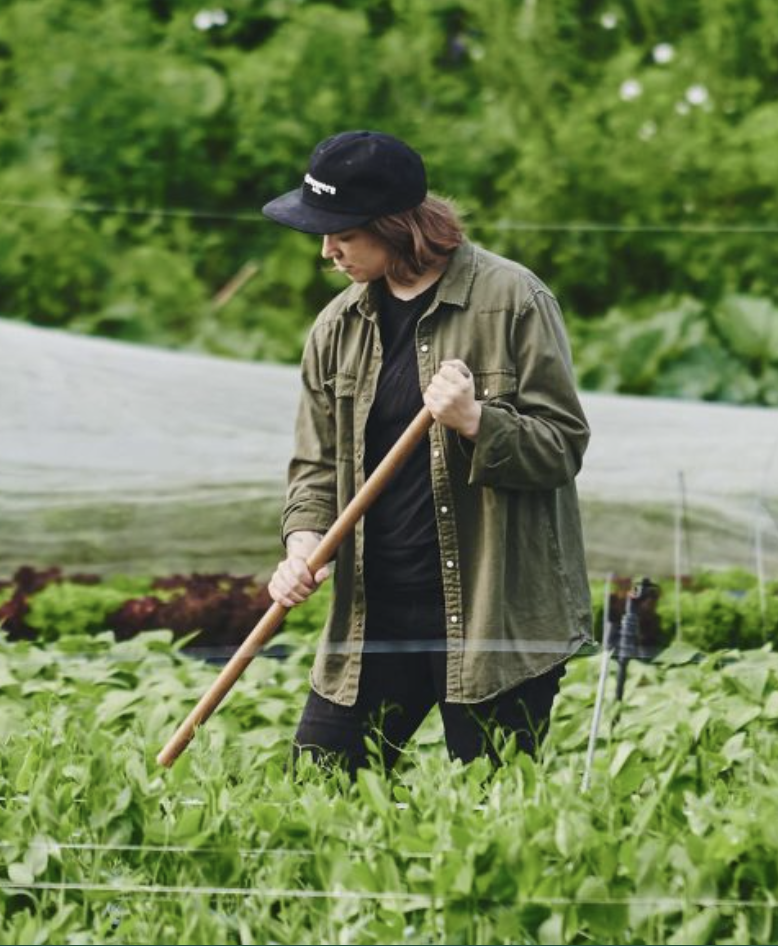
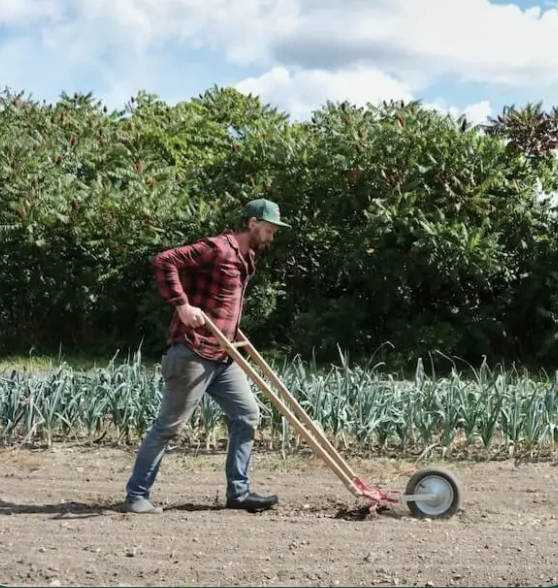
One-Acre Farming
We focus on maximizing the productivity of a small plot of land (roughly 2.5 acres or less) by optimizing systems and by intensifying production.
Soil Regeneration
We believe that healthy soil is the foundation of a healthy farm. We prioritize soil regeneration practices such as crop rotation, cover cropping and using compost. By focusing on the long-term fertility of the soil, we are able to grow healthy, nutrient-dense produce while minimizing our impact on the environment.
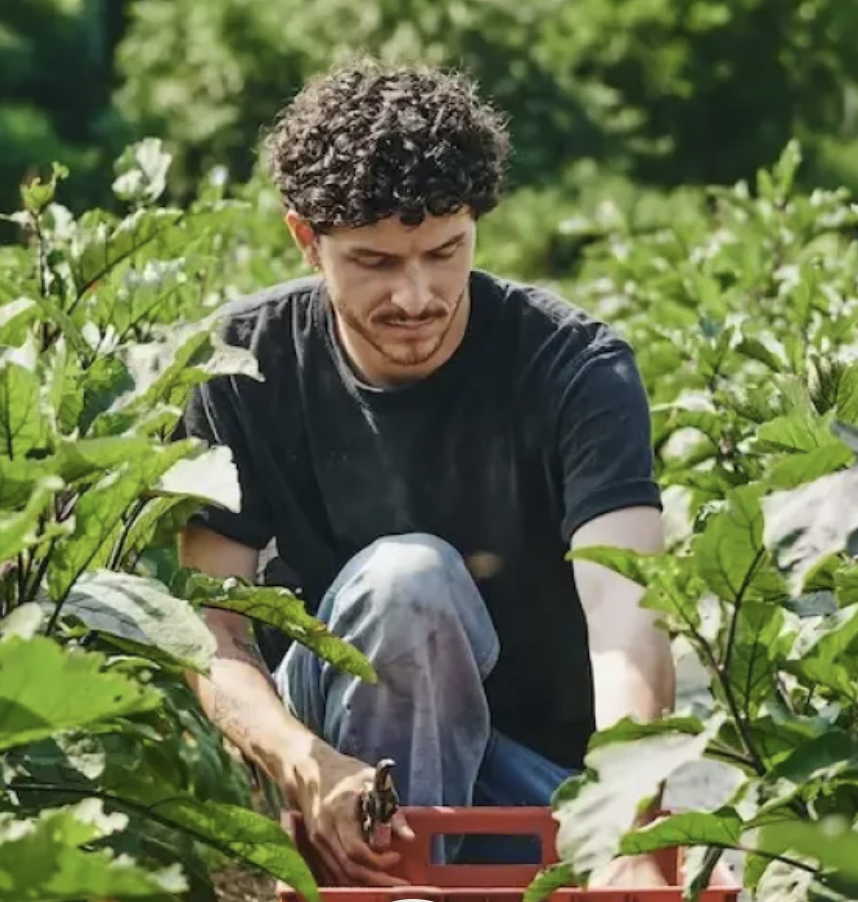
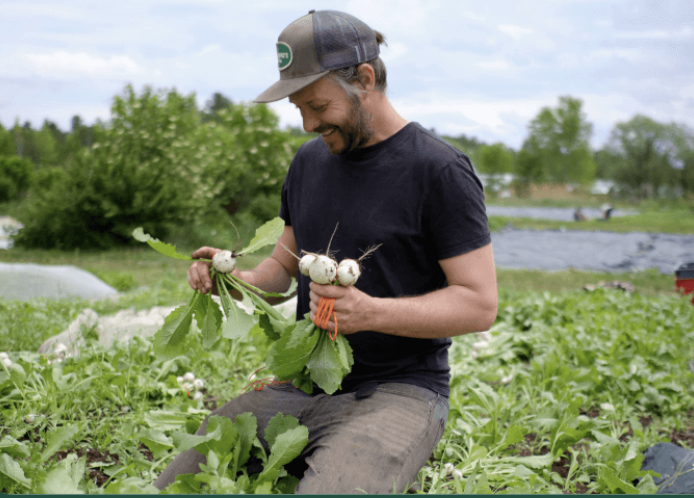
Using Hand Tools
Our farming practices are at a human scale. Therefore, we mainly use hand tools, and the farm is designed accordingly. Those tools are not only more sustainable and cost-effective, but they also allow us to work more closely with the land and make more precise adjustments to our growing practices.
Work with Nature
Step 3Work with Nature
We believe that the best way to grow healthy, sustainable crops is to work with nature rather than against it. This means paying close attention to the natural rhythms and interactions of the environment to adjust our farming practices accordingly.